Thailand vs The World

Spain, Japan, China, France and Italy’s cuisines are different from Thai’s cuisine as the countries are split into 2 different continents (Asia and Europe).

Thai’s cuisine main flavor usually comes from a blend of different ingredients (herbs, spices and sauces). In achieving this, cooks always aim to strike a balance between sweet, sour, salty, bitter and spicy in the course of meals they serve. Thai meals are usually served family-style.
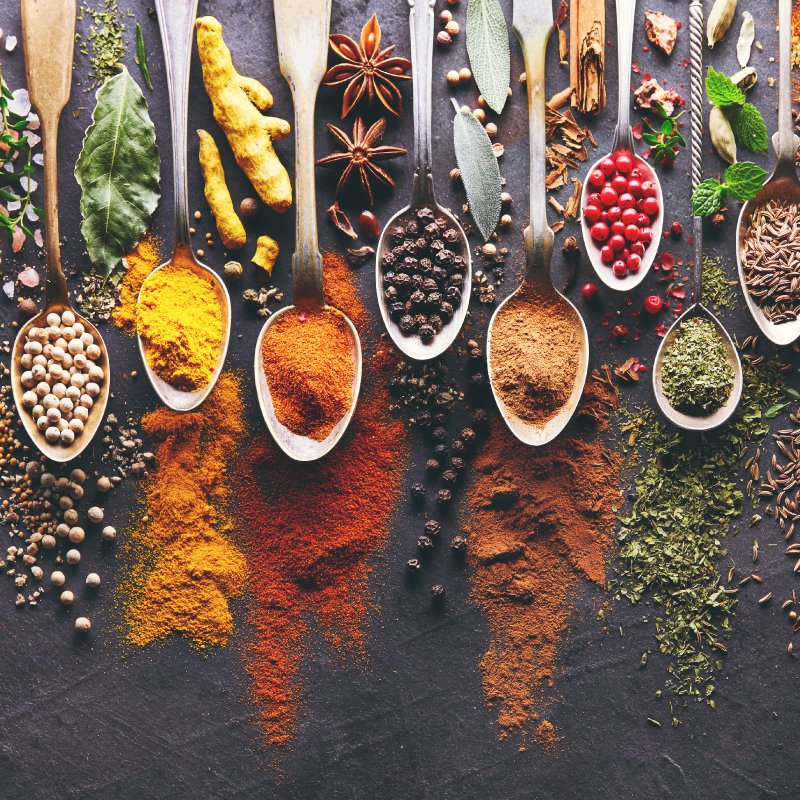
Common spices used in Thai cooking.

Not only that, new flavors have often been experimented in Thai cuisine. Limes and chilies are often used by people in many countries around the world (such as Australia and Mexico) but the method used in Thai cuisine is different. Few of the major ingredients that make up Thai cuisine are:

  • Vegetables (such as Chinese cabbage and water spinach)
  • Fruits (such as limes, chilies and green mango)
  • Herbs (such as lemongrass, garlic chives and Thai basil)
  • Spices (such as turmeric, cumin and cardamom)
  • Noodles and rice (such as fresh Hokkien and rice stick noodles)
  • Sauces (such as fish sauce and oyster sauce)
  • Meats (such as fish and pork)

Different regions in all countries have its own regional cuisines and their own way of preparing it. It is known that the staple food of the Thai people are rice and fish. However, China (included in the list of countries stated above) and Thailand’s cuisines have some similar characteristics.
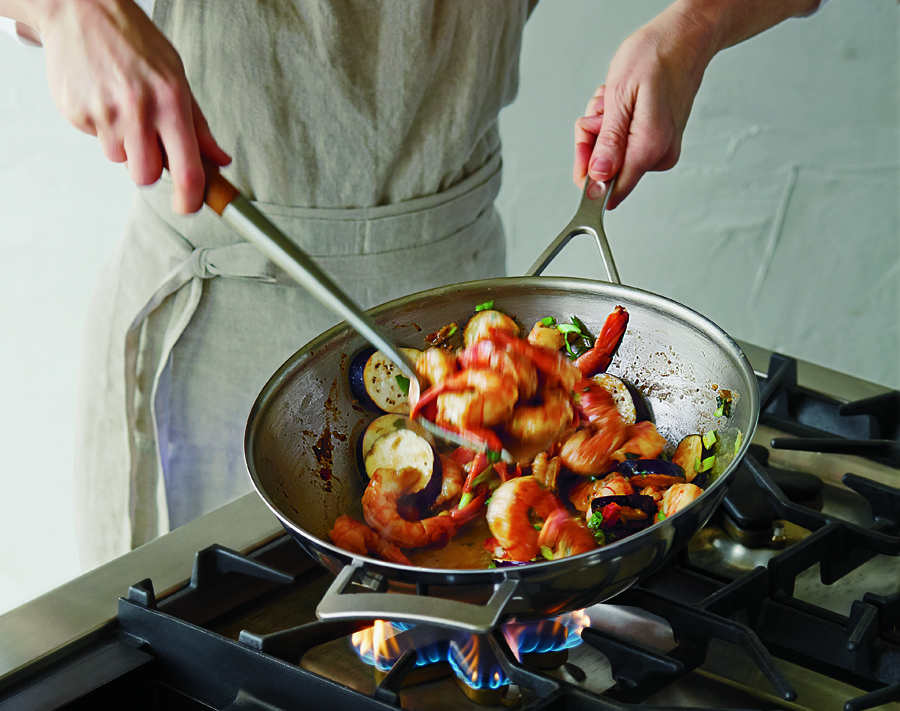
Common cooking method used by Thais; stir-frying on a wok.

The Chinese first introduced cooking methods like stir-frying and frying in Thailand way back in the 1600s. The stir-frying cooking method can be seen in well-known dishes in Thai Cuisines such as Pad Thai and Pad Kra Prao now.

Other similar characteristics between the Chinese and Thai cuisine are some of the key ingredients used. Oyster sauce is often used in both cuisines.

Stereotypes

Spice

Known for their many different types of chili and spices used, Thailand’s spicy food is one of the best.

Thai Basil Pork with Rice.

Green Curry, Tom Yum Koong, Basil Pork with Rice; these are merely examples of dishes that can burn your tongue in seconds. (Though spice levels are usually customizable.)

However, spicy food is not the main thing that Thai food should be known for. There is a wide range of seasoned meat, fresh vegetables that far outweigh the overrated taste of spicy food.

We should not just associate Thailand with its’s spicy food as there is a lot more that Thailand offers.

Street Food

Though Thailand’s street food is one of the best in the region, it is not actually traditional. Yes, it is part of their culture at this point in time, but it was not always there.

Thai street food originated as food items that housewives used to prepare for their family before they realized that they could sell it for other people to enjoy. Variations in the food then came along and slowly, street food began to popularise itself among the locals.

Thai Street Food.

Thai Cuisine

Food Traditions and Development

Thai Steamed Fish with Lime.

Rice and fish are an important part of Thais’ daily meals and has always been, since the Sukhothai period about 700 years ago. There are many Thai foods that have been handed down from generation to generation, preserving the culture of the past.

Thailand owes it’s variety of dishes and tastes to the foreign influences that have come into contact with the country over the centuries. During the reign of King Narai the Great, there were many countries that came to establish diplomatic relations with Siam. Some of these foreigners were from Greece, Persia, Holland, Japan, Portugal, France, China, India and other nations.

Despite their prohibition by monks, nuns and other strict adherents, many pungent and flavourful ingredients are extremely popular today in many predominantly-Buddhist societies, such as the use of hot chilies and garlic in Thai Cuisine.

Vegetables are commonly used in Thai cuisine.

Traditional Thai cuisine mirrors the Thai’s waterborne lifestyle via the use of aquatic plants, animals and herbs. As Thais are generally Buddhists, large chunks of meat are rarely used. Instead, meats are usually served in smaller portions.
During meals, dishes are served at the same time instead of in courses. This is to spread the idea of community-eating and family.

Thai cuisine emphasizes the need for balance in flavors, incorporating sweet, spicy, salty and sour tastes into each meal. Complementary sets are also balanced accordingly. For example, spicy soup is usually served alongside a mild-flavored stir fry; a sweet salad is paired with a sour stir-fry.

Many of Thailand’s renowned dishes use tons of hot spices, such as ‘kaeng’ in Tom Yum Goong.

Around Thailand, there are many Burmese-style curries and soups, and close to Malaysia, Muslim recipes are also commonly incorporated into Thai cuisines such as massaman and roti. The most significant addition to Thai cuisine came not from Asia but from South America, via European trade over the years. In the 16th century, the Portuguese introduced what was to become one of the hallmarks of the cuisine; chili.

During the Ayutthaya period, the Thais ate rice with dishes such as fresh and dried fish, vegetables, fruits. Thai cuisine, like that of other cultures that readily accepted the taste of chili, had long included an element of heat by way of fresh green peppercorns, dried white peppercorns and galangal. Foreign vegetables and fruit (tomatoes, eggplants, asparagus, carrots, snow peas and corn) have also been cultivated for the last couple of centuries as it seems to suit the taste of Thais.

Interesting Fact

Did you know that Thais use forks and spoons for food rather than chopsticks, like other Southeast Asian countries? This is because, in the 19th century, King Rama IV wanted to westernize Thailand so as to discourage western countries from colonizing Thailand, and thus decided that they should use the same utensils as the West; forks and spoons.

The use of forks and spoons in Thailand is normal, unlike its’ neighbouring countries where chopsticks are more frequently used.
Design a site like this with WordPress.com
Get started